Compare Local Contractors for Effective Water Pooling Prevention
Compare local contractors for water pooling prevention to define project scope, verify experience, and set clear expectations for effective, reliable results.
Water pooling prevention services typically involve assessing a property's landscape and drainage systems to identify areas where water may collect after rainfall or irrigation. Contractors may perform site evaluations, recommend grading adjustments, install or repair drainage solutions such as swales, trenches, or drain tiles, and improve soil conditions to facilitate proper water runoff. The goal is to create a landscape that directs excess water away from foundations, walkways, and other structures, helping to prevent damage and maintain a safe, stable outdoor environment.
Defining the scope of work is a crucial step in ensuring the project meets specific needs and expectations. Clearly outlining what tasks will be performed-such as grading, drainage installation, or soil modification-helps avoid misunderstandings and ensures that both property owners and contractors are aligned on the project’s objectives. A detailed scope also provides a basis for comparing service providers, as it allows property owners to evaluate how each contractor’s offerings match their particular requirements and to verify that all necessary aspects of water pooling prevention are addressed.
When choosing local contractors for water pooling prevention, property owners should consider experience with similar projects and the types of drainage solutions offered. Comparing multiple service providers involves reviewing their expertise, the methods they propose, and how they communicate the scope of work in writing. It’s important to ask for detailed descriptions of the services included, any recommended additional steps, and assurances that the proposed solutions are suitable for the specific landscape conditions. This approach helps ensure that the selected contractor can deliver a comprehensive plan tailored to the property’s needs.
Compare local contractors by outlining your priorities, verifying experience, and defining scope clearly in writing.
- Compare Contractor Experience - Review the background and expertise of local contractors to ensure they have relevant experience with water pooling prevention.
- Define Project Scope Clearly - Establish specific tasks and responsibilities in writing to set clear expectations for the work.
- Verify Qualifications and References - Check references and past work to assess the reliability and quality of local service providers.
- Request Detailed Written Agreements - Ensure all project details, responsibilities, and expectations are documented in a formal agreement.
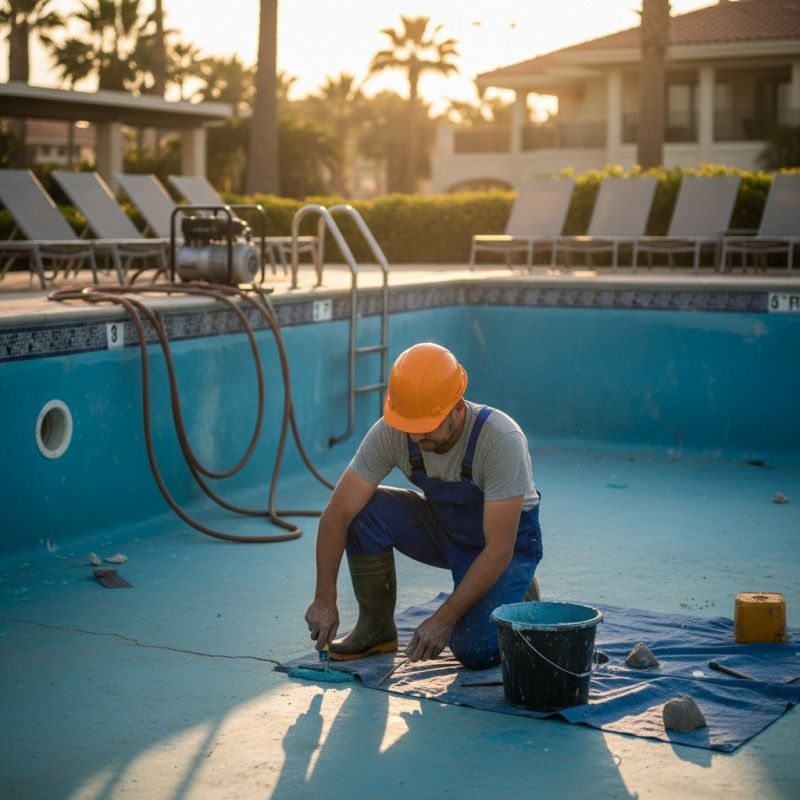
Compare local contractors by clearly describing your water pooling prevention project, defining scope, verifying experience, and setting expectations in writing.
- Inspect grading plans to ensure proper slope away from structures to prevent water accumulation. - Verify that contractors understand site-specific drainage issues and can address potential pooling areas.
- Review scope of work to include effective drainage solutions such as proper guttering and surface grading. - Confirm that service providers have experience with water runoff control and pooling prevention techniques.
- Check references or past projects for evidence of successful water pooling mitigation on similar sites. - Ensure contractors can clearly define the work needed to address existing pooling problems in writing.
- Discuss drainage system options to determine the most suitable approach for the property’s landscape and layout. - Make sure scope and responsibilities are documented to prevent misunderstandings later.
- Assess the contractor’s understanding of site-specific conditions that could contribute to water pooling issues. - Compare different service providers based on their proposed solutions and experience handling water drainage concerns.
Compare local contractors’ experience, define scope clearly, and set expectations in writing.
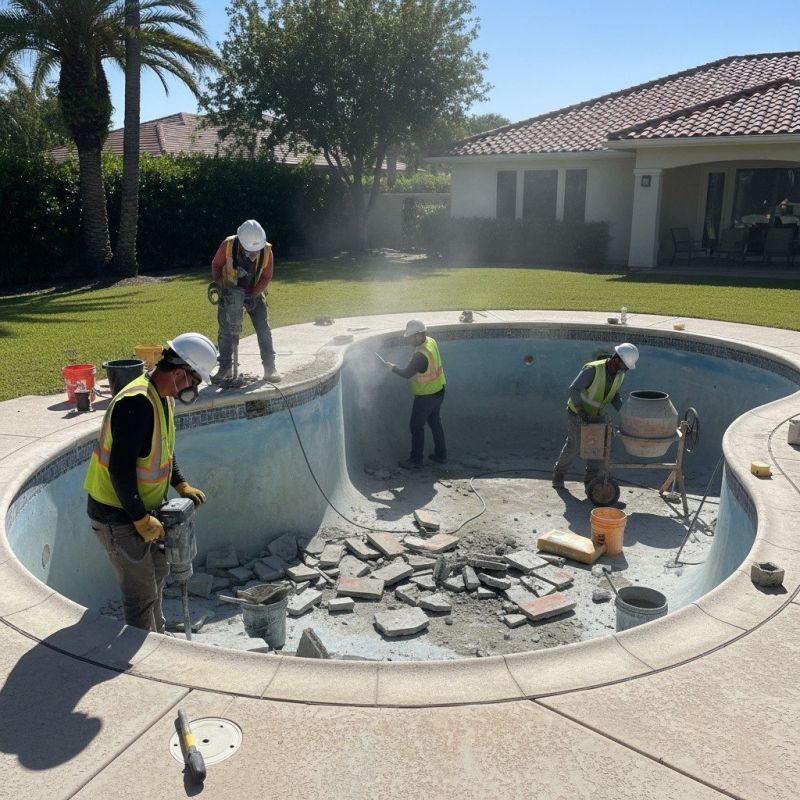
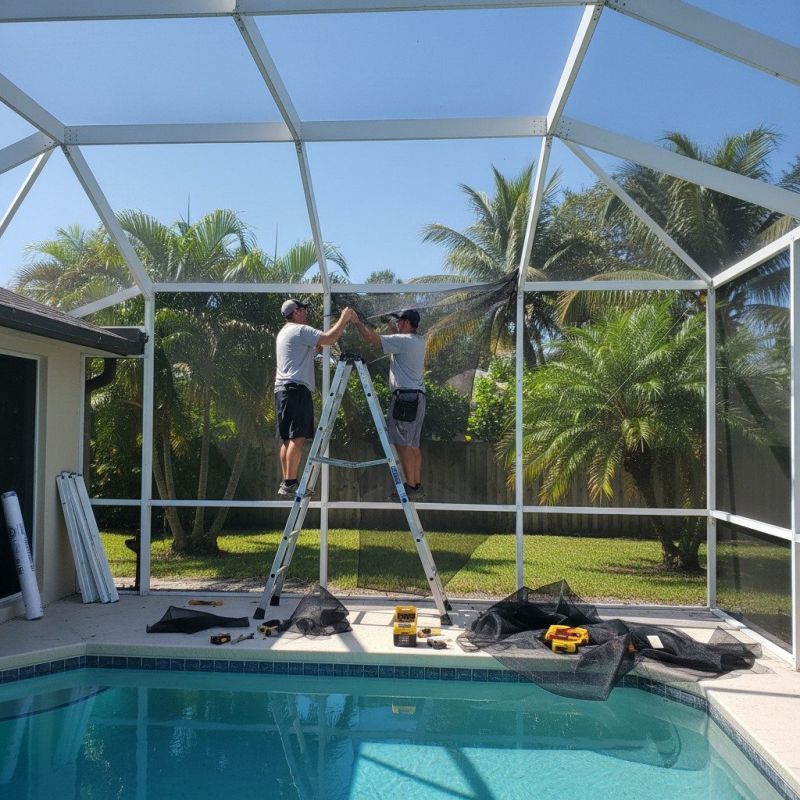
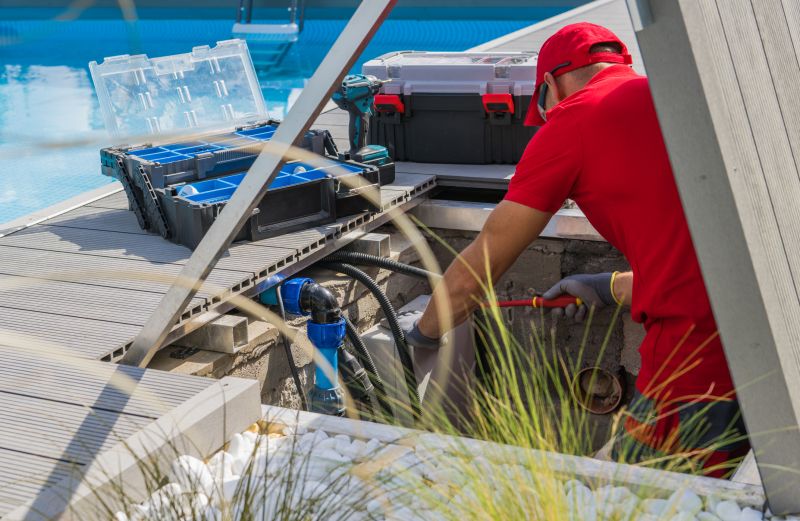
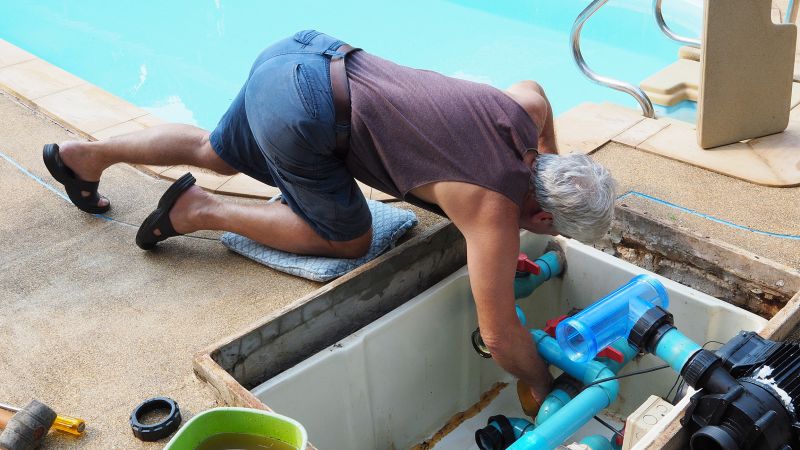
When comparing contractors for water pooling prevention, ensure consistent scope definitions, verify experience, and document expectations clearly.
- Assessment of Drainage Solutions - Identify the drainage methods and systems that will be implemented to prevent water accumulation around the pool area.
- Scope of Work Definition - Clearly outline the specific tasks and responsibilities involved in water pooling prevention measures.
- Experience Verification - Confirm that local contractors have relevant experience with drainage and water management in pool environments.
- Material and Equipment Specifications - Specify the types of materials and equipment to be used to ensure effectiveness and durability.
- Written Agreement of Expectations - Ensure all project details, responsibilities, and performance standards are documented in a formal agreement.
When evaluating contractors for water pooling prevention, it is important to consider their experience with similar projects. Homeowners should inquire about the types of properties and specific issues the service providers have addressed in the past. A contractor with a history of successfully resolving water accumulation problems in comparable settings is more likely to understand the unique challenges involved and recommend effective solutions. Gathering details about previous work can help ensure that the contractor’s expertise aligns with the specific needs of the site.
A clear and detailed written scope of work is essential for setting proper expectations. Homeowners should seek service providers who can articulate the steps involved in addressing water pooling and provide a comprehensive outline of the proposed approach. This scope should include the methods to be used, materials involved, and the extent of work planned. Having a well-defined scope in writing helps prevent misunderstandings and ensures that both parties agree on what will be done to resolve the issue effectively.
Verifying the basics of a contractor’s experience involves more than just claims of expertise. Homeowners are encouraged to ask for references or examples of completed projects similar to their own. Confirming that the contractor has successfully handled water pooling issues in comparable settings provides confidence in their capabilities. Additionally, understanding the general approach and techniques used can help homeowners assess whether the service provider’s methods are appropriate for their specific situation.
When comparing options, it is helpful to evaluate how well each contractor communicates and documents the proposed solutions. A professional service provider should be willing to provide detailed explanations and written descriptions of their approach. Homeowners should ask questions to clarify the scope, techniques, and materials involved, ensuring that the chosen contractor’s approach aligns with the site’s requirements. Focusing on clear communication and thorough documentation can help homeowners make informed decisions without relying on price alone, leading to a more successful outcome.
Ask contractors to provide written scope details to ensure clarity and consistency in water pooling prevention work.
- **Experience and Expertise** - What specific experience do local contractors have with water pooling prevention projects?
- **Scope of Work** - How do contractors define and outline the scope of services included in water pooling prevention?
- **Comparison of Services** - What differences exist between local service providers regarding techniques and approaches for water pooling prevention?
- **Project Expectations** - How do contractors clarify project expectations and deliverables in writing before starting work?
- **Qualifications and References** - What qualifications or references can local contractors provide to demonstrate their experience with similar water pooling issues?
What should I consider when choosing a contractor for water pooling prevention? It's important to compare local contractors based on their experience, reputation, and the scope of services they offer. Verifying their background helps ensure they can address specific drainage issues effectively.
How can I define the scope of water pooling prevention work? Clearly outline the areas affected and the desired outcomes. Discuss specific drainage concerns with potential contractors to ensure they understand the extent of the work needed.
What questions should I ask contractors about their experience? Inquire about previous projects related to water pooling prevention, the types of solutions they have implemented, and their familiarity with local site conditions.
Why is it important to set expectations in writing? Having a detailed written agreement clarifies the scope, responsibilities, and deliverables, helping prevent misunderstandings and ensuring everyone is aligned on the project goals.
How can I compare different contractors effectively? Review their service descriptions, experience, and references. Comparing these factors helps identify which service providers are best suited to handle water pooling issues on your property.
What role does verifying a contractor’s experience play in the process? Verifying experience helps ensure the contractor has successfully managed similar water pooling prevention projects, increasing the likelihood of a satisfactory outcome.
Understanding the importance of proper water pooling prevention, visitors learned how to compare local contractors by defining the scope of work, verifying their experience, and setting clear expectations in writing. This approach helps ensure that the selected service providers are well-equipped to address the specific needs of the property and deliver results aligned with the project goals. By taking these steps, homeowners can make informed decisions when choosing a contractor for water pooling prevention.
To find the right local contractors for water pooling prevention, visitors are encouraged to use the quote form to compare options in their area. This process allows for a straightforward way to connect with qualified service providers who can handle the job, helping to identify the best fit based on the scope and expectations discussed. Taking the time to explore local options can support a well-informed decision tailored to the property's needs.