Compare Local Contractors for House Drainage Installation Services
Compare local contractors for house drainage installation to define project scope, verify experience, and set clear expectations for a successful outcome.
House drainage installation involves setting up the piping and systems necessary to direct wastewater and stormwater away from a property. This work typically includes designing and installing main drainage lines, connecting fixtures like sinks, toilets, and showers, and ensuring proper slope and venting to prevent backups or odors. Proper drainage is essential for maintaining a healthy and functional home environment, making it important to work with experienced service providers who understand local building codes and drainage standards.
Defining the scope of a drainage installation project is a crucial step in ensuring the work meets specific property needs. Clear communication about the extent of the system, including the types of fixtures involved and any existing infrastructure that may need modification, helps prevent misunderstandings. Documenting the scope in writing provides a reference point for both property owners and contractors, which can help manage expectations and facilitate smoother project execution.
Property owners can compare local contractors by evaluating their experience with similar drainage projects, checking references or past work, and verifying their familiarity with local codes and regulations. It’s also helpful to review the details of each contractor’s proposed scope of work, ensuring it aligns with the property’s needs. Asking questions about their approach to planning, installation, and troubleshooting can provide insight into their expertise. By carefully assessing these factors, property owners can make informed decisions when selecting a service provider for house drainage installation.
Compare local contractors by outlining project priorities, verifying experience, and setting clear expectations in writing.
- Compare Contractors - evaluate multiple local service providers to find the best match for your drainage installation needs.
- Define Project Scope - clearly outline the work requirements and expectations before hiring a contractor.
- Verify Experience - review the background and past work of local contractors to ensure competence.
- Document Agreements - put all project details, scope, and expectations in writing to avoid misunderstandings.
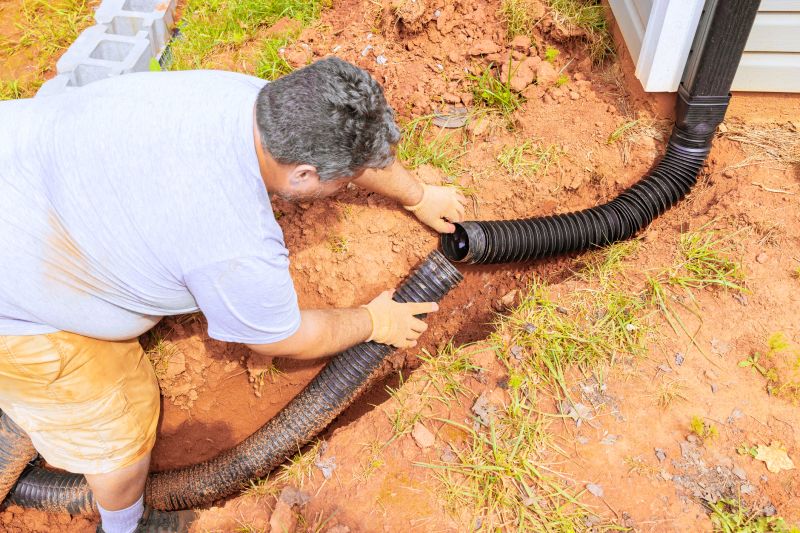
Clearly describe your house drainage project to compare local contractors, define scope, verify experience, and set expectations in writing.
- Verify the contractor’s experience with house drainage systems to ensure familiarity with similar projects. - Review the scope of work to confirm it covers all necessary drainage components and site considerations.
- Ensure the contractor provides a detailed written plan outlining installation methods and materials to be used. - Clarify what drainage solutions are proposed and how they will address specific property needs.
- Check that the contractor can assess the property’s drainage requirements and recommend appropriate solutions. - Confirm they will evaluate soil conditions, grading, and existing infrastructure before starting work.
- Discuss how the contractor plans to handle permits, inspections, and compliance requirements relevant to drainage installation. - Make sure all necessary approvals are included in the scope and documented in writing.
- Compare different service providers to see if their proposed approaches and scope of work align with project goals. - Use detailed proposals to evaluate the thoroughness and suitability of each contractor’s plan.
- Ensure the scope of work, responsibilities, and project expectations are clearly documented in a written agreement. - This helps prevent misunderstandings and provides a reference throughout the project.
Compare local contractors’ experience and clarify project scope to ensure clear expectations for house drainage installation.
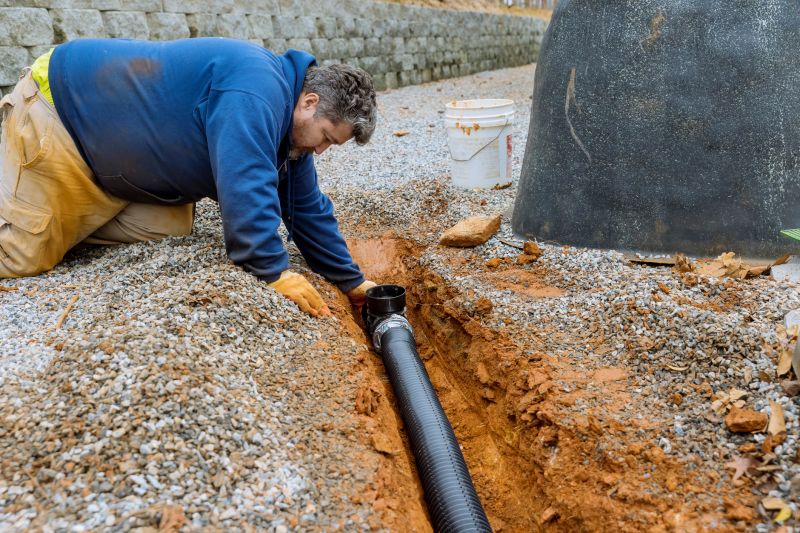
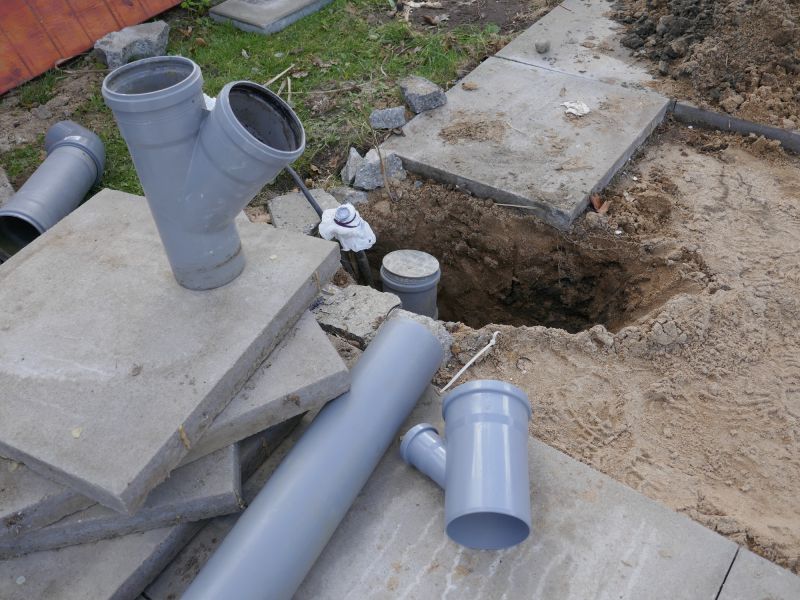
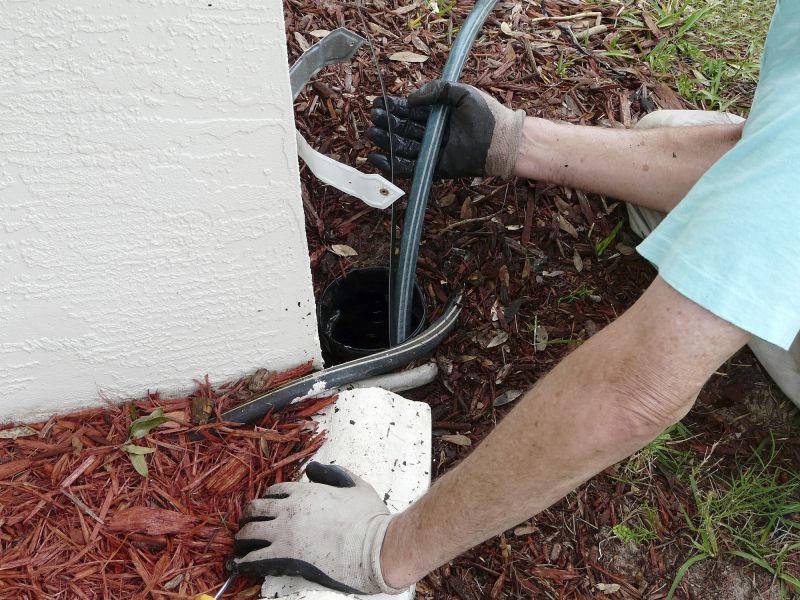
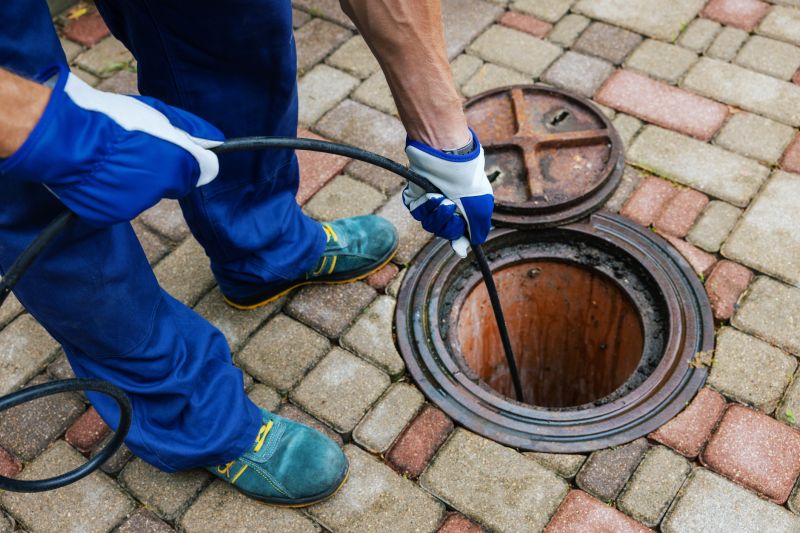
This scope builder helps you compare and define house drainage installation projects consistently across local service providers.
- Scope Definition - Clearly outline the specific drainage components and areas involved in the installation project.
- Material Selection - Specify the types of piping, fittings, and drainage systems to be used for the installation.
- Experience Verification - Confirm that local contractors have relevant experience with house drainage installation projects.
- Installation Standards - Identify the required installation practices and codes that contractors should follow.
- Written Agreement - Ensure all project details, expectations, and responsibilities are documented in a formal scope of work.
When comparing contractors for house drainage installation, it is important to assess their experience with similar projects. Homeowners should inquire about the types of drainage systems the service providers have installed in the past and whether they have worked on properties with comparable layouts or soil conditions. A contractor’s familiarity with local drainage challenges can influence the quality and longevity of the work. Gathering details about previous projects helps ensure that the contractor has relevant hands-on experience, reducing the likelihood of unforeseen issues during installation.
A clear, written scope of work is essential to establish mutual understanding and set expectations. Homeowners should seek detailed descriptions of what the drainage installation will include, such as the specific components, materials, and areas involved. A well-defined scope helps prevent misunderstandings and provides a basis for evaluating the completeness of the work. It’s advisable to request documentation that outlines the project’s scope in plain language, ensuring all parties are aligned on what will be delivered.
Verification basics are fundamental when selecting a contractor for house drainage installation. Homeowners should verify the contractor’s background by checking references or previous client feedback, if available. Confirming that the contractor has the necessary experience with similar projects and a history of reliable work can provide confidence in their capabilities. Additionally, clarifying the process for addressing unexpected issues or changes during the project can help manage expectations and ensure that any adjustments are documented in writing.
Evaluating options without focusing on prices involves comparing the quality of proposals and the thoroughness of the contractors’ approaches. Homeowners should look for detailed written proposals that specify the scope, methods, and materials to be used. It’s helpful to assess how each contractor plans to approach the project, including their understanding of site-specific challenges. By reviewing these elements, homeowners can better determine which service providers are most knowledgeable and attentive to detail, leading to informed decisions based on the quality and clarity of the proposals rather than cost alone.
Request written scope and details from service providers to ensure clear expectations and consistent project understanding.
- Experience with Drainage Systems - How long have the contractors been performing house drainage installations?
- Scope of Work - What specific tasks and responsibilities are included in each contractor’s proposed scope?
- Materials and Methods - Which drainage materials and installation techniques do the service providers recommend?
- Warranty and Guarantees - What assurances or warranties do the contractors offer for their drainage installation work?
- References and Past Projects - Can the contractors provide examples or references of similar drainage projects they have completed?
How can I compare different contractors for house drainage installation? It’s helpful to review their experience, scope of work, and references, then verify their reputation through reviews or past project feedback to make an informed choice.
What should I consider when defining the scope of my drainage project? Clearly outline the areas to be addressed, the type of drainage systems needed, and any specific requirements to ensure contractors understand the full extent of the work.
How can I verify a contractor’s experience with drainage installation? Ask for details about their previous projects, years of experience, and specialized skills related to house drainage systems to assess their expertise.
Why is it important to have the project scope and expectations in writing? Having a detailed written agreement helps prevent misunderstandings, ensures all parties agree on the work to be done, and provides a reference throughout the project.
What questions should I ask contractors during the comparison process? Inquire about their experience, methods, materials used, and how they plan to approach your specific drainage needs to evaluate their suitability.
How can I ensure a contractor is suitable for my house drainage installation? Review their past work, confirm they understand your project scope, and verify that they can provide clear, detailed proposals and agreements before proceeding.
By exploring different local contractors, visitors can gain a clearer understanding of the options available for house drainage installation. Comparing scope, verifying experience, and setting clear expectations in writing can help ensure the project aligns with specific needs. Using the quote form to connect with multiple service providers makes it easier to evaluate choices side by side.
Taking the time to assess various service providers can lead to more informed decisions about house drainage installation. The quote form offers a straightforward way to gather information and compare local contractors, helping to identify the right professionals for the job.